

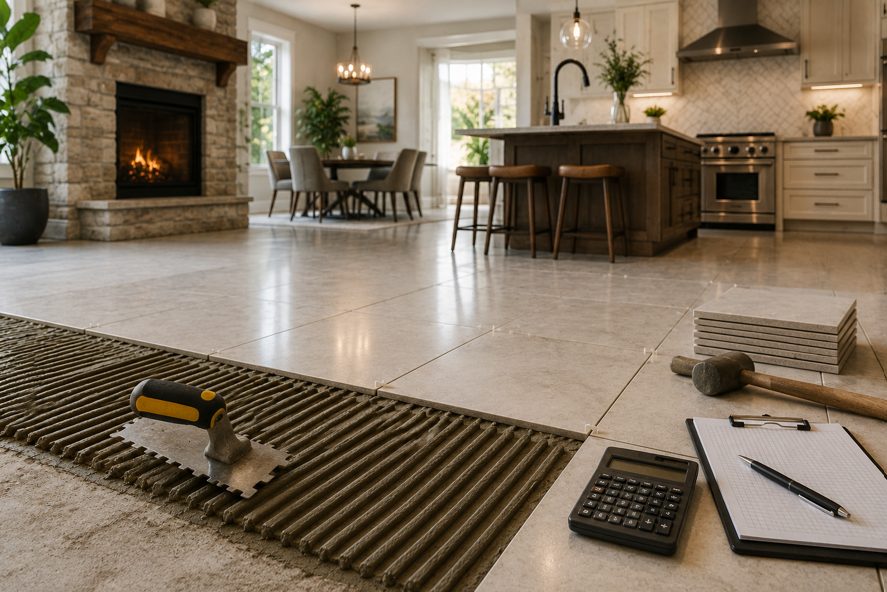
Understanding the Real Cost of a Tile Installation Project
Tile remains one of the most popular flooring choices for homeowners throughout Colorado Springs, and it's easy to see why. It offers impressive durability, stylish design flexibility, and long-term value for a wide variety of spaces. Whether you're updating a kitchen, renovating a bathroom, or transforming an entryway, tile can create a beautiful and lasting foundation for your home.
One of the most common questions homeowners ask before beginning a renovation is simple: How much will tile installation cost?
The answer depends on several factors. While many people focus primarily on the cost of the tile itself, installation expenses can vary based on the room, tile type, project complexity, floor preparation requirements, and finishing details. Understanding these variables ahead of time can help you plan your budget more effectively and avoid unexpected surprises.
At Carpet World of Colorado Springs, homeowners regularly seek guidance on selecting flooring products that align with their design goals, lifestyle needs, and renovation budgets. Knowing what contributes to tile installation costs is an important first step toward making a confident investment.
This guide breaks down the key elements that influence pricing, explains where installation costs come from, and helps Colorado Springs homeowners understand what they can expect when planning a tile project.
The Biggest Factors That Influence Tile Installation Costs
Every tile project is unique. A small powder room installation has very different requirements than a large open-concept kitchen or an intricate bathroom renovation.
Several factors play a major role in determining the overall cost.
Tile Material Selection
The type of tile you choose affects both material and installation costs.
Ceramic tile is often one of the more straightforward materials to install. It offers versatility and works well in many residential settings.
Porcelain tile is denser and more durable, but it can require specialized cutting equipment and additional installation time.
Natural stone products such as slate, travertine, marble, and granite often require greater precision and careful handling during installation.
Glass tile is commonly used for decorative applications and backsplashes. While visually striking, it often requires specialized techniques to achieve a polished finish.
The characteristics of each material can significantly influence labor requirements and project timelines.
Project Size
Larger projects generally benefit from installation efficiencies, but they also require more materials and labor hours.
Smaller rooms can sometimes cost more per square foot because installers still need to complete setup, preparation, cutting, and finishing processes regardless of project size.
Room Type
Different rooms present different installation challenges.
Bathrooms frequently involve numerous cuts around toilets, vanities, showers, and plumbing fixtures.
Kitchens may require tile installation around islands, appliances, and cabinetry.
Entryways often include transitions between flooring materials.
Laundry rooms may require additional moisture considerations.
The complexity of the space can directly impact labor requirements.
Existing Floor Conditions
The condition of the subfloor is often one of the most overlooked cost factors.
Common issues include:
Uneven surfaces
Moisture damage
Cracked concrete
Previous flooring removal
Structural repairs
Addressing these concerns before installation helps create a stable foundation for long-lasting results.
Why Professional Installation Represents a Significant Portion of the Investment
Many homeowners are surprised to learn that labor often accounts for a substantial portion of a tile project's overall budget.
Professional installation involves much more than simply placing tiles on a floor.
Surface Preparation
Successful tile installations begin with careful preparation.
Installers evaluate the condition of the existing surface and address any issues that could affect performance. This may involve cleaning, patching, leveling, or installing underlayment materials.
Proper preparation helps prevent future problems such as cracking, uneven surfaces, or tile movement.
Tile Layout and Planning
Experienced installers carefully plan the layout before installation begins.
This process includes:
Measuring the room
Establishing reference lines
Determining tile placement
Planning cuts
Balancing visual symmetry
Thoughtful planning contributes to a more attractive finished appearance and reduces material waste.
Tile Cutting and Fitting
Every tile project requires some level of customization.
Installers frequently make cuts around:
Doorways
Corners
Cabinets
Plumbing fixtures
Floor vents
Architectural features
Intricate cuts require skill, specialized tools, and attention to detail.
Grouting and Finishing
Once tiles are installed, grout application becomes a critical part of the process.
Professional installers ensure proper spacing, grout consistency, cleanup, and finishing. Certain tile types may also require sealing to enhance performance and longevity.
These finishing steps contribute significantly to the overall appearance and durability of the project.
How Different Tile Types Can Affect Installation Budgets
Not all tile products require the same level of installation expertise.
Ceramic Tile
Ceramic tile remains a popular option for homeowners seeking a balance between performance and affordability.
Benefits include:
Wide design variety
Easier cutting
Versatile applications
Attractive appearance
Because ceramic tile is generally easier to work with, installation can often be more straightforward than some specialty materials.
Porcelain Tile
Porcelain has become increasingly popular due to its exceptional durability.
Advantages include:
High moisture resistance
Excellent wear resistance
Long-term durability
Suitable for high-traffic areas
However, porcelain's density often requires more specialized cutting equipment and additional labor.
Natural Stone Tile
Natural stone creates a distinctive and luxurious appearance.
Popular options include:
Marble
Travertine
Slate
Granite
These products frequently require additional preparation, sealing, and precision installation techniques.
The unique characteristics of natural stone often contribute to higher installation complexity.
Glass Tile
Glass tile is commonly used to create visual impact in kitchens, bathrooms, and accent walls.
Because glass can be more delicate than traditional tile materials, installers often use specialized methods to achieve clean edges and professional results.
When exploring different Tile flooring options, it's important to consider both the material cost and the installation requirements associated with each product.
Additional Expenses That Homeowners Often Overlook
Accurate budgeting involves more than simply calculating tile and labor costs.
Several additional factors can influence the final investment.
Existing Flooring Removal
Before new tile can be installed, existing materials may need to be removed.
This can include:
Carpet
Vinyl
Laminate
Hardwood
Previous tile
Removal and disposal requirements vary based on the material being replaced.
Subfloor Repairs
Occasionally, underlying issues become visible only after old flooring is removed.
Common examples include:
Water damage
Structural deterioration
Uneven surfaces
Cracked concrete
Addressing these concerns helps protect the performance of the finished installation.
Trim and Transition Materials
A polished flooring project often includes transition strips, trim pieces, and finishing details that create smooth transitions between rooms.
These elements contribute to both appearance and functionality.
Furniture Moving and Preparation
Large furniture items may need to be relocated before installation begins.
Proper room preparation helps streamline the installation process and protect surrounding areas.
Sealers and Maintenance Products
Some tile materials benefit from protective treatments.
Natural stone products, in particular, may require periodic sealing to maintain their appearance and performance over time.
Ways Colorado Springs Homeowners Can Maximize Long-Term Value
A successful flooring project isn't simply about minimizing upfront costs. It's about maximizing value over the life of the floor.
Choose the Right Tile for the Space
Every room has different performance requirements.
A busy entryway may benefit from highly durable porcelain, while a decorative backsplash may prioritize appearance and design flexibility.
Matching the product to the environment helps improve long-term satisfaction.
Consider Future Maintenance
Some tile materials require more upkeep than others.
Understanding maintenance expectations before making a selection can help homeowners choose products that fit their lifestyle.
Focus on Durability
Durable flooring often provides excellent long-term value because it can maintain its appearance and performance for many years.
This can be especially important in active Colorado households with children, pets, or frequent guests.
Work With Experienced Professionals
Professional installation contributes directly to performance, longevity, and appearance.
Even premium materials can underperform if installation standards are compromised.
Benefit From Local Expertise
Colorado Springs presents unique environmental conditions, including seasonal temperature fluctuations and dry climate conditions.
Working with local flooring professionals can help ensure material selections and installation methods align with regional needs.
What to Expect During a Professional Tile Installation Project
Understanding the installation process can help homeowners feel more prepared and confident.
Initial Consultation
Most projects begin with measurements, product discussions, and budget planning.
This stage allows homeowners to explore options and understand project requirements.
Material Selection and Ordering
After selecting the tile, materials are ordered and installation schedules are coordinated.
Planning ahead can help avoid delays, particularly during busy renovation seasons.
Installation Day
Professional installers typically begin by preparing the work area.
The process generally includes:
Surface preparation
Layout verification
Tile placement
Grouting
Cleanup
Project timelines vary depending on room size and complexity.
Final Walkthrough
Once installation is complete, homeowners review the finished project with the installation team.
This is an opportunity to discuss maintenance recommendations and ensure expectations have been met.
Clear communication throughout the process contributes to a smoother and more enjoyable renovation experience.
Making a Smart Investment in Tile for Your Colorado Springs Home
Tile continues to be one of the most versatile and durable flooring solutions available to homeowners. From kitchens and bathrooms to entryways and living spaces, it offers lasting beauty and dependable performance when properly selected and professionally installed.
Understanding installation costs involves looking beyond the price of the tile itself. Material selection, room complexity, floor preparation, labor requirements, finishing details, and project scope all contribute to the overall investment.
By understanding these factors before work begins, homeowners can create realistic budgets, compare options more effectively, and make informed decisions that support long-term value.
Whether you're planning a single-room update or a larger home renovation, professional guidance can make the process easier and more rewarding. If you're ready to explore tile options for your next project, reach out to us and speak with the experienced team at Carpet World of Colorado Springs about creating a beautiful, durable space you'll enjoy for years to come.


