

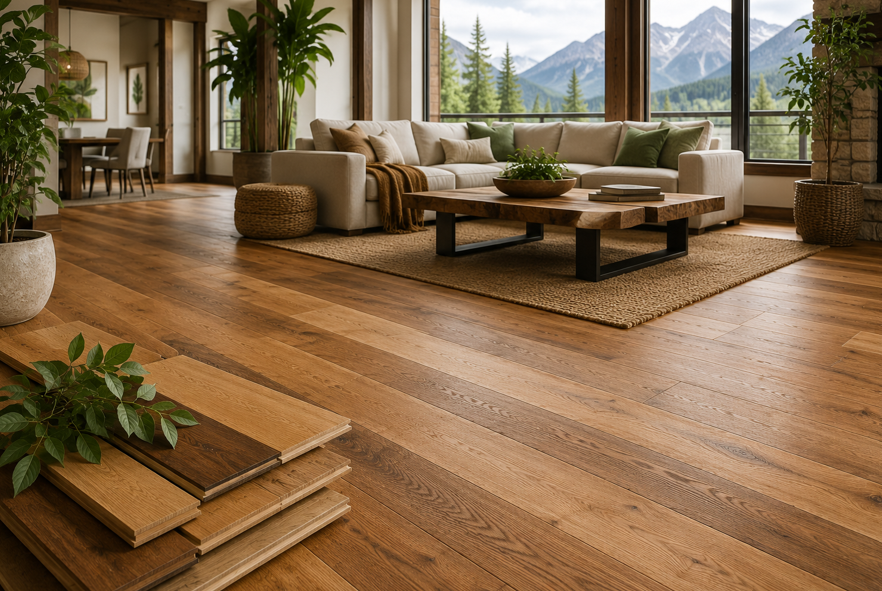
Why Sustainable Flooring Is Becoming a Priority for Colorado Homeowners
Across Colorado, more homeowners are looking for ways to make environmentally responsible choices without sacrificing style, comfort, or long-term value. From energy-efficient appliances to water-saving fixtures, sustainability has become an important consideration during home improvement projects. Flooring is no exception.
Hardwood flooring has long been admired for its natural beauty, durability, and timeless appeal. Today, many homeowners are discovering that certain hardwood products can also support environmentally conscious living. Sustainable hardwood flooring offers the opportunity to create beautiful interiors while making thoughtful decisions about natural resources and long-term environmental impact.
Unlike some flooring materials that may require replacement after years of use, quality hardwood flooring can remain attractive for decades when properly maintained. This longevity alone can make hardwood an environmentally responsible investment because it reduces waste and minimizes the need for future replacement projects.
At Carpet World of Colorado Springs, homeowners often explore flooring solutions that balance performance, design, and sustainability. Whether renovating a historic Colorado Springs property, updating a Woodland Park mountain home, or building a new residence in Monument, many families are interested in flooring options that align with their values.
Sustainable hardwood flooring offers a combination of natural beauty, lasting durability, and responsible sourcing practices. Understanding what makes hardwood sustainable can help homeowners make informed decisions that benefit both their homes and the environment.
In this guide, we'll explore sustainable hardwood species, certifications, environmentally friendly finishes, installation considerations, and why eco-conscious hardwood flooring continues to gain popularity throughout Colorado.
What Makes Hardwood Flooring Sustainable?
When people hear the term "sustainable flooring," they often assume it simply refers to wood harvested from trees. In reality, sustainability involves much more than the raw material itself.
Several factors determine whether a hardwood flooring product can be considered environmentally responsible.
Responsible Forest Management
One of the most important aspects of sustainable hardwood flooring is how forests are managed.
Responsible forestry practices focus on maintaining healthy forest ecosystems while ensuring that harvested trees are replaced through natural regeneration or replanting efforts. These practices help preserve wildlife habitats, biodiversity, and long-term forest health.
Managed forests are designed to continue producing resources for future generations while protecting the environment.
Renewable Natural Resource
Unlike many synthetic building materials, hardwood is a renewable natural resource.
Trees can be replanted and regrown, allowing forests to continue producing lumber over time. When harvested responsibly, hardwood can provide a sustainable alternative to products made from non-renewable resources.
Many homeowners appreciate knowing that their flooring originates from a naturally renewable source rather than a material that relies heavily on fossil fuel production.
Exceptional Longevity
One of hardwood flooring's greatest environmental advantages is its lifespan.
A quality hardwood floor can last for decades and, in many cases, even generations. The longer a flooring product remains in service, the fewer resources are required for replacement, manufacturing, transportation, and disposal.
This extended lifecycle helps reduce overall environmental impact while providing outstanding value for homeowners.
Refinishing Instead of Replacing
Many flooring materials eventually require complete replacement once wear becomes visible. Hardwood offers a unique advantage because it can often be refinished multiple times throughout its life.
Refinishing allows homeowners to:
Restore worn surfaces
Update stain colors
Refresh appearance
Extend flooring lifespan
This ability to renew existing floors helps reduce waste and supports sustainable homeownership.
Sustainable Hardwood Species Popular in Colorado Homes
Not all hardwood species offer the same characteristics, but many popular options align well with sustainability goals while delivering outstanding performance.
Oak
Oak remains one of the most widely used hardwood species in North America.
Homeowners appreciate oak because it offers:
Excellent durability
Timeless visual appeal
Broad design versatility
Wide availability
Because oak is commonly grown and responsibly harvested throughout North America, it often represents an environmentally conscious flooring choice.
Its versatility allows it to complement traditional, transitional, and contemporary Colorado interiors.
Maple
Maple is another popular option for eco-conscious homeowners.
Known for its clean appearance and impressive strength, maple works well in a variety of residential settings.
Benefits include:
Durable performance
Smooth grain patterns
Modern aesthetic appeal
Long lifespan
Maple continues to be a favorite choice for homeowners seeking a bright and refined flooring appearance.
Hickory
Hickory is often selected for active households due to its remarkable durability.
Its distinctive grain patterns and natural variation create visual character while providing excellent resistance to everyday wear.
For families with pets, children, or busy lifestyles, hickory can offer both sustainability and long-term practicality.
Walnut
Walnut delivers a rich, luxurious appearance that appeals to homeowners seeking sophistication and warmth.
While often considered a premium flooring option, walnut's longevity and timeless beauty can contribute to its long-term value.
Many homeowners view walnut as an investment that combines environmental responsibility with exceptional design.
Domestic Hardwood Options
Selecting domestically sourced hardwood can provide additional sustainability benefits.
Shorter transportation distances may help reduce environmental impacts associated with shipping and logistics.
Many responsibly sourced Hardwood flooring products available in the United States allow homeowners to support sustainable forestry practices while enjoying premium flooring performance.
Understanding Hardwood Flooring Certifications
Sustainability claims can sometimes feel overwhelming for homeowners trying to compare products.
Fortunately, several certification programs help simplify the process.
Forest Stewardship Council (FSC)
The Forest Stewardship Council is one of the most widely recognized sustainability certifications in the flooring industry.
FSC certification indicates that wood products originate from forests managed according to strict environmental, social, and economic standards.
These standards help support:
Responsible harvesting
Wildlife protection
Long-term forest health
Ethical management practices
Many homeowners specifically seek FSC-certified products when prioritizing sustainability.
Sustainable Forestry Initiative (SFI)
The Sustainable Forestry Initiative promotes responsible forest management practices across North America.
SFI-certified products often reflect commitments to:
Sustainable harvesting
Conservation efforts
Biodiversity protection
Responsible land stewardship
This certification provides another valuable benchmark for environmentally conscious consumers.
Chain of Custody Verification
Chain of custody certification tracks wood products throughout the supply chain.
This process helps verify that materials originate from certified sources and remain traceable from forest to finished product.
Transparency throughout the supply chain allows homeowners to feel more confident about their purchasing decisions.
Manufacturer Sustainability Programs
Many flooring manufacturers have introduced sustainability initiatives that go beyond certification requirements.
Examples may include:
Resource conservation programs
Renewable energy usage
Waste reduction efforts
Responsible sourcing commitments
Learning about a manufacturer's broader environmental practices can provide valuable insight when comparing flooring products.
Eco-Friendly Finishes and Manufacturing Practices
The sustainability of hardwood flooring involves more than the wood itself.
Finishes, adhesives, and manufacturing methods also play important roles.
Low-VOC Finishes
Volatile organic compounds, often referred to as VOCs, can affect indoor air quality.
Many modern hardwood products now feature low-VOC finishes designed to reduce emissions while maintaining durability and appearance.
These finishes can contribute to healthier indoor environments for families and pets.
Water-Based Finishes
Water-based finishing systems have become increasingly popular in sustainable flooring applications.
Benefits may include:
Lower emissions
Faster curing times
Reduced environmental impact
Excellent durability
Homeowners often appreciate both the environmental and performance advantages these finishes provide.
Responsible Manufacturing Processes
Many flooring manufacturers continue to improve production methods through:
Energy-efficient operations
Material optimization
Waste reduction programs
Resource conservation efforts
These initiatives help reduce environmental impact throughout the manufacturing process.
Reclaimed and Repurposed Materials
Some sustainable hardwood products incorporate reclaimed wood sourced from older buildings, barns, and structures.
Reclaimed hardwood can provide:
Unique character
Historical appeal
Reduced demand for newly harvested materials
Distinctive visual features
Many Colorado homeowners appreciate the authenticity and environmental benefits associated with reclaimed wood products.
Why Sustainable Hardwood Flooring Fits Colorado Lifestyles
Colorado homeowners often share a strong appreciation for nature, outdoor recreation, and environmental stewardship.
Sustainable hardwood flooring aligns naturally with many of these values.
Built for Active Households
From hiking adventures to family gatherings, Colorado lifestyles often involve active living.
Hardwood flooring provides durability that can withstand daily activity while maintaining its appearance for years.
This longevity supports sustainability by reducing replacement frequency.
Timeless Design Reduces Waste
Design trends change over time, but hardwood flooring continues to remain relevant across generations.
Because hardwood rarely feels outdated, homeowners are less likely to replace it due to changing style preferences.
This long-term appeal contributes to reduced material waste.
Supports Resource-Conscious Living
Many homeowners strive to make environmentally responsible choices throughout their homes.
Selecting sustainably sourced hardwood can complement broader goals related to conservation, efficiency, and responsible consumption.
Strong Long-Term Value
Sustainable flooring choices often provide benefits that extend beyond environmental considerations.
Quality hardwood flooring can contribute to:
Lasting beauty
Durability
Home appeal
Long-term investment value
These advantages make hardwood attractive to both current homeowners and future buyers.
Whether in Colorado Springs, Castle Rock, Monument, or Woodland Park, sustainable hardwood continues to appeal to homeowners seeking both beauty and responsibility.
Sustainable Installation Practices Matter Too
The environmental impact of a flooring project isn't limited to product selection alone.
Installation decisions can also influence sustainability outcomes.
Careful Measurements Reduce Waste
Professional planning helps ensure materials are ordered accurately.
Precise measurements can minimize excess waste while supporting more efficient use of resources.
Responsible Material Disposal
When existing flooring is removed, proper disposal practices can help reduce environmental impact.
Some materials may even be eligible for recycling or repurposing depending on local programs.
Quality Installation Extends Lifespan
A properly installed floor is more likely to perform well over time.
Professional installation supports:
Long-term durability
Reduced repairs
Better appearance
Extended product life
Long-lasting floors contribute directly to sustainability goals.
Matching Flooring to Room Requirements
Choosing the right hardwood product for each space helps maximize performance and longevity.
When flooring is properly matched to household needs, it is more likely to provide decades of reliable service.
Creating a Beautiful and Responsible Flooring Investment
Sustainable hardwood flooring demonstrates that homeowners don't have to choose between environmental responsibility and exceptional design. Modern hardwood products offer remarkable beauty, durability, and long-term value while supporting responsible sourcing and resource management practices.
From responsibly managed forests and recognized sustainability certifications to low-VOC finishes and durable domestic hardwood species, today's flooring market provides more environmentally conscious choices than ever before.
By understanding certifications, evaluating species options, considering manufacturing practices, and investing in professional installation, homeowners can make informed decisions that benefit both their homes and the environment.
Sustainable hardwood flooring is more than a trend. It's a long-term investment that supports beautiful living spaces, responsible resource use, and lasting performance for years to come. If you're exploring environmentally conscious flooring options for your next renovation project, we are here to help with expert guidance tailored to your home and goals.


