

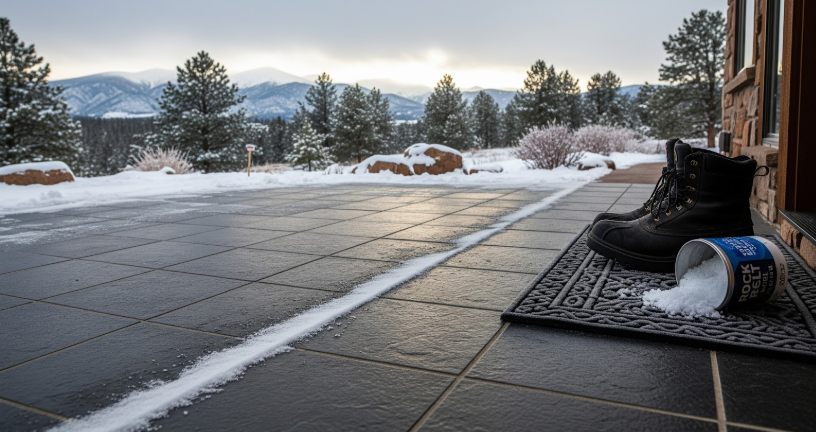
Why Winter Tile Care Matters in Colorado
When winter hits Colorado Springs, your tile floors face more than just chilly air. Snow, salt, and moisture can sneak in on boots, leaving behind slippery patches, dull finishes, and even hidden grout damage. The cold itself doesn’t harm tile, but constant temperature swings between indoor heating and outdoor freezing can cause subtle expansion and contraction, stressing grout and sealant over time.
That’s why a little preparation goes a long way. By taking simple preventive steps, homeowners can protect their investment and enjoy clean, polished floors all season long. At Carpet World of Colorado Springs, our team often reminds customers that winter flooring care isn’t about major effort—it’s about consistency and smart habits.
Common Winter Tile Problems Homeowners Face
Colorado winters bring their own flooring frustrations. Moisture damage is the biggest one—melted snow tracked indoors can seep into grout, weakening it over time. Next up, salt and de-icer stains from driveways and sidewalks can create a cloudy film that dulls your tile’s natural shine.
Then there’s the issue of slippery floors, especially in entryways or kitchens where melting snow collects. Finally, over the months, you might notice grout discolouration, as fine dirt and minerals build up between tiles.
Different materials react differently: porcelain tends to resist stains well, while natural stone can absorb residue more easily. Ceramic tile sits somewhere in the middle, durable but not immune. Understanding your tile type helps you pick the best cleaning products and care routine to match.
Preventing Tile Damage Before Winter Hits
Winter tile care starts before the first snowfall. Think of it as giving your floors a protective coat of armour. Begin by sealing your grout lines and, if you have natural stone, apply a high-quality sealant to prevent moisture penetration.
Next, place boot trays and absorbent mats near every entrance. This keeps melting snow and mud from being tracked further inside. Adding felt pads to furniture legs also prevents scuffs when people drag chairs across slick surfaces.
A quick daily sweep or vacuum helps stop sand and grit from scratching the tile surface. If you have a large home, focus on high-traffic zones like the foyer, mudroom, or kitchen.
Pro tip: Book professional cleaning or sealing services before temperatures drop to ensure your floors are protected early in the season.
Cleaning and Caring for Tile Floors During Winter
Once the cold settles in, maintenance becomes all about routine. Regular cleaning prevents buildup and keeps your tiles looking new. Use a pH-neutral cleaner specifically designed for Tile flooring to avoid damaging the surface. Mop with warm water, but don’t overdo it—too much moisture can seep into grout lines.
For everyday care, keep a small towel or mop by the front door to wipe up melted snow immediately. Microfiber mops are ideal since they trap fine dust and moisture without scratching the glaze. Avoid acidic cleaners, bleach, or anything labelled “heavy-duty,” as these can dull the finish over time.
Grout Care Tips
Grout is the unsung hero of every tile floor—and also the most vulnerable. Reseal it once a year, ideally before winter, and clean with a mild grout-safe product once a month. If you see darker patches forming, that’s a sign of moisture retention or salt buildup—address it early to avoid permanent staining.
Dealing with Salt, Snow, and Ice Melt Residue
Those chalky white streaks that appear after mopping? That’s leftover residue from de-icing agents or salt. It’s common in Colorado households where driveways and paths are regularly treated.
Here’s a simple cleanup method:
Mix a bucket of warm water with a small amount of pH-neutral floor cleaner.
Mop or wipe affected areas in small sections.
Rinse with fresh water to remove any remaining residue.
Dry the floor thoroughly using a clean towel or dry mop.
If you have natural stone floors, use a cleaner formulated for stone to avoid etching or dulling. Adding washable rugs at entry points helps catch the majority of the residue before it reaches your tiles.
Protecting Tile Floors in High-Traffic Winter Zones
Entryways, kitchens, and hallways take the brunt of winter traffic. Protect these spaces with washable, non-slip rugs that catch debris before it hits the tile. Clean rugs frequently—otherwise, they’ll end up spreading salt and dirt back onto the floor.
Rotate mats every few weeks to prevent uneven wear, and remind guests or family members to leave shoes at the door. Creating a small “indoor shoe zone” makes a big difference for floor longevity.
For added protection, consider slip-resistant tile sealants or professional cleaning mid-season to refresh grout and remove embedded residue. These small investments extend your floor’s lifespan and keep them looking showroom-ready throughout winter.
Post-Winter Tile Maintenance Checklist
When spring finally rolls around, your floors deserve a little attention. Run through this quick checklist:
Inspect for cracks, chips, or loose tiles.
Reapply grout sealant where needed.
Deep clean grout lines with a gentle scrub brush.
Replace worn-out mats and furniture pads.
Vacuum up any leftover grit before returning to a regular cleaning routine.
This simple post-winter ritual restores shine and durability while preventing minor issues from growing into costly repairs.
Make Tile Care Simple This Winter
Tile flooring is one of the most durable and low-maintenance flooring choices you can make—especially with the right seasonal care. A little effort each week goes a long way in keeping your home beautiful, safe, and ready for guests.
If you’re unsure which cleaners, sealants, or mats work best for your home, or you want professional help before the next freeze, get in touch with our team. We’re here to help Colorado homeowners enjoy their floors year after year, no matter how snowy it gets outside.


