

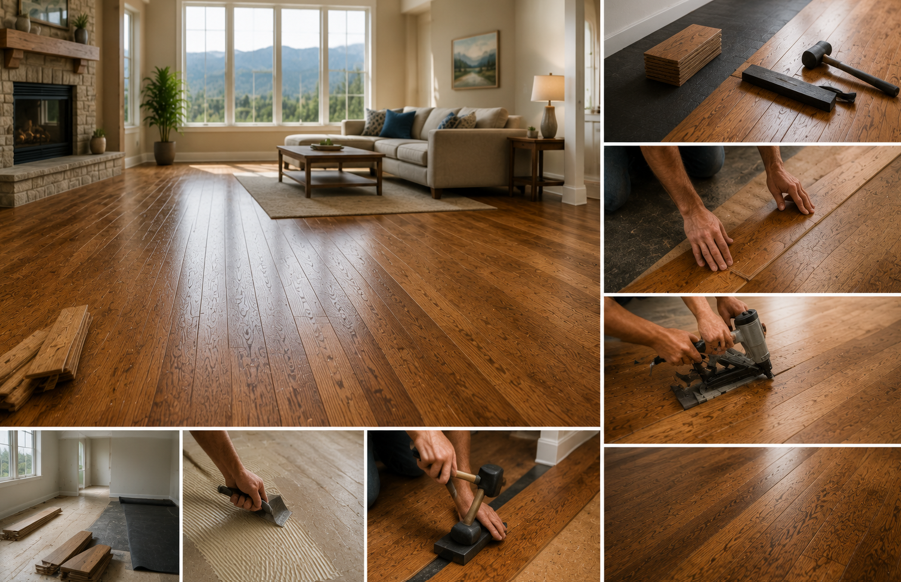
Why Hardwood Flooring Remains a Popular Choice in Castle Rock
Hardwood flooring continues to be one of the most desirable upgrades for Colorado homeowners. In Castle Rock, where homes often blend mountain-inspired warmth with modern design, hardwood flooring fits naturally into a wide range of interiors.
Many homeowners appreciate hardwood because it offers:
Long-lasting beauty
Timeless style
Strong resale appeal
Design versatility
Natural warmth and texture
Whether the goal is a cozy family room, a polished kitchen renovation, or a full-home flooring update, hardwood creates a welcoming atmosphere that works beautifully with Colorado living.
At Carpet World of Colorado Springs, homeowners can explore hardwood flooring options supported by experienced flooring specialists, licensed installers, and hands-on service. The company’s customer-focused approach helps simplify the remodeling process while ensuring homeowners feel confident throughout each stage of installation.
Hardwood flooring also works especially well in Castle Rock because Colorado homeowners often prefer natural materials that complement scenic outdoor surroundings. Rich wood tones, textured grain patterns, and wide plank styles continue trending throughout the area.
Of course, a successful hardwood floor depends on more than appearance alone. Proper installation plays a major role in helping floors perform beautifully for years. Understanding how the installation process works helps homeowners make informed decisions while preparing their homes for a smoother remodeling experience.
Choosing the Right Hardwood Flooring for Your Home
Before installation begins, homeowners first need to choose the hardwood flooring that best fits their lifestyle, design goals, and home conditions.
Not all hardwood flooring performs the same way. Different wood species, plank constructions, and finishes offer different advantages depending on the space.
Solid Hardwood vs Engineered Hardwood
One of the first decisions homeowners make involves choosing between solid and engineered hardwood.
Solid hardwood:
Uses a single piece of hardwood throughout
Can often be refinished multiple times
Offers traditional hardwood character
Performs best in stable indoor environments
Engineered hardwood:
Features a layered construction
Handles moisture and temperature fluctuations more effectively
Works well in Colorado’s dry climate
Offers excellent stability in many modern homes
Many Castle Rock homeowners choose engineered hardwood because Colorado’s seasonal humidity shifts can affect natural wood movement over time.
Popular Hardwood Species in Colorado Homes
Several hardwood species remain especially popular throughout Castle Rock:
Oak
Hickory
Maple
White oak
Walnut
Each offers different grain patterns, hardness levels, and color variation.
For example:
Hickory provides dramatic grain movement and durability
White oak offers a clean, modern appearance
Maple delivers smoother grain visuals
Walnut creates rich, luxurious interiors
The best choice often depends on lifestyle, traffic levels, pets, children, and personal design preferences.
Preparing Your Home Before Installation Begins
Proper preparation helps hardwood installation move more smoothly while reducing delays or unexpected issues.
Clearing the Installation Area
Before installers arrive, homeowners often prepare by:
Removing furniture
Clearing closets if needed
Removing fragile décor
Providing access to work areas
Some installation teams may assist with furniture moving depending on project details, but preparation ahead of time typically helps improve efficiency.
Why Acclimation Matters
Hardwood flooring needs time to adjust to indoor conditions before installation.
This process, called acclimation, allows the wood to adapt to:
Indoor humidity
Temperature levels
Seasonal climate conditions
Because wood naturally expands and contracts, acclimation helps reduce excessive movement after installation.
Colorado’s dry climate makes acclimation especially important. Flooring installed too quickly without proper adjustment may experience:
Gapping
Minor movement
Expansion issues
Professional installers carefully monitor acclimation to support better long-term performance.
Moisture Testing & Site Evaluation
Experienced installers also evaluate:
Subfloor moisture levels
Room conditions
Existing flooring
Structural concerns
Subfloor flatness
These inspections help identify potential issues before installation begins.
Step 1: Removing Existing Flooring
The first major installation step often involves removing the existing flooring material.
Depending on the project, installers may remove:
Carpet
Tile
Vinyl
Laminate
Older hardwood flooring
Why Careful Removal Matters
Removing old flooring properly helps:
Protect subfloors
Identify hidden damage
Create a stable installation surface
Improve long-term hardwood performance
Professional installers also inspect for:
Moisture damage
Uneven areas
Squeaks
Structural concerns
Addressing these issues early helps reduce future flooring problems.
Subfloor Cleanup & Preparation
After removal, installers thoroughly clean and prepare the subfloor.
Preparation may include:
Removing debris
Repairing uneven sections
Securing loose areas
Moisture evaluation
Installing moisture barriers if needed
This stage creates the foundation for the entire flooring system.
Step 2: Subfloor Preparation & Moisture Management
Subfloor preparation plays one of the biggest roles in successful hardwood installation.
Even beautiful hardwood flooring may struggle if installed over an unstable or uneven surface.
Why Flat Subfloors Matter
Uneven subfloors may contribute to:
Floor movement
Hollow sounds
Premature wear
Uneven plank alignment
Professional installers use leveling methods to create a more stable installation surface.
Moisture Protection Is Especially Important
Although Colorado is generally dry, moisture still matters during hardwood installation.
Installers may use:
Moisture barriers
Underlayment systems
Vapor protection products
These materials help reduce the risk of moisture-related movement over time.
Evaluating Room Conditions
Installers also evaluate:
HVAC operation
Indoor humidity
Seasonal conditions
Crawlspaces or basements
This careful preparation helps hardwood flooring perform more consistently long term.
Step 3: Planning the Hardwood Layout
Before planks are installed, professionals carefully plan the floor layout.
This step affects:
Overall appearance
Seam placement
Room flow
Visual balance
Choosing the Direction of Installation
Hardwood flooring may be installed:
Parallel to the longest wall
Following natural light direction
To improve room flow
To create visual width
The best direction depends on room shape and design goals.
Staggering Planks for Natural Appearance
Professional installers stagger plank seams carefully to create:
Better structural stability
Natural-looking variation
Cleaner visual flow
Randomized patterns help hardwood floors feel more authentic and visually appealing.
Transition Planning
Installers also plan transitions between:
Hallways
Kitchens
Staircases
Adjacent flooring surfaces
Thoughtful transitions create a smoother, more polished finished appearance.
Step 4: Installing the Hardwood Flooring
Once preparation is complete, installers begin laying the hardwood flooring itself.
Depending on the flooring product, installation methods may include:
Nail-down installation
Glue-down installation
Floating floor installation
Each method works best for different subfloor types and hardwood constructions.
Precision Matters During Installation
Professional installation focuses heavily on:
Consistent spacing
Proper alignment
Tight plank connections
Expansion gaps
Accurate cutting around obstacles
Small details during installation affect both appearance and long-term performance.
Expansion Gaps Help Protect Hardwood Floors
Because wood naturally responds to seasonal humidity changes, installers leave expansion spacing around the room perimeter.
These hidden gaps help allow for natural movement while reducing pressure on the flooring system.
Why Experienced Installers Make a Difference
Professional installers help ensure:
Better visual consistency
Improved durability
Cleaner transitions
Proper moisture management
Reduced future flooring issues
At Carpet World of Colorado Springs, homeowners benefit from licensed, bonded, and insured installers who focus on quality craftsmanship and communication throughout the installation process.
Step 5: Sanding & Finishing (When Applicable)
Some hardwood floors arrive prefinished, while others are sanded and finished after installation.
Prefinished Hardwood Flooring
Prefinished flooring offers:
Faster installation timelines
Factory-applied finishes
Less dust during installation
Immediate walkability in many cases
Many homeowners prefer prefinished flooring because it simplifies the overall project.
Site-Finished Hardwood Flooring
Site-finished hardwood allows:
Custom stain selection
Seamless appearance
Greater color flexibility
This process usually involves:
Sanding
Staining
Protective finish application
Popular Hardwood Finish Options
Castle Rock homeowners often prefer:
Matte finishes
Low-sheen finishes
Natural wood looks
Wire-brushed textures
These finishes help create modern, comfortable interiors while reducing the visibility of minor scratches or dust.
Step 6: Final Inspection & Cleanup
After installation is complete, professional installers perform final inspections to ensure the flooring meets quality expectations.
Final Walkthrough Includes
Installers often review:
Seam consistency
Transition placement
Surface cleanliness
Trim details
Overall appearance
This final stage gives homeowners an opportunity to ask questions and understand how to care for their new flooring.
Post-Installation Cleanup
Professional flooring teams typically remove:
Installation debris
Dust
Packaging materials
A clean final presentation helps homeowners enjoy their updated space immediately.
What Homeowners Can Expect After Installation
New hardwood floors often transform the feel of a home almost instantly.
Castle Rock homeowners frequently notice:
Warmer interiors
Brighter spaces
Improved home value perception
More cohesive design flow
Seasonal Movement Is Normal
Because hardwood is a natural material, minor seasonal movement may still occur.
Colorado homeowners may notice:
Small seasonal gaps
Slight expansion changes
Humidity-related adjustments
These natural changes are often normal and expected.
Protecting Hardwood Floors Long Term
Homeowners can help protect hardwood flooring by:
Using felt pads beneath furniture
Keeping pet nails trimmed
Cleaning spills promptly
Maintaining stable indoor humidity
Using floor mats near entryways
These simple habits help maintain appearance and durability over time.
Why Professional Hardwood Installation Creates Better Long-Term Results
Hardwood flooring is a major investment, and installation quality directly affects how well the floor performs over the years.
Professional installation helps reduce risks involving:
Uneven floors
Moisture problems
Gapping
Movement
Premature wear
Experienced flooring professionals also help homeowners select flooring products better suited for Colorado’s climate and household needs.
Today’s Hardwood flooring collections offer impressive durability, beautiful visuals, and long-term value when installed properly.
From subfloor preparation to final trim work, every step contributes to the finished result homeowners see every day.
Creating Beautiful Hardwood Floors for Your Castle Rock Home
Hardwood flooring remains one of the most timeless and rewarding home upgrades for Colorado homeowners. Whether the goal is a modern mountain-inspired interior, a warm family living space, or a full-home remodel, professionally installed hardwood flooring adds both beauty and lasting value.
Understanding the installation process helps homeowners feel more prepared and confident before beginning their remodeling project. From selecting the right hardwood species to proper acclimation and expert installation, each stage plays an important role in long-term flooring performance.
Working with experienced flooring professionals also makes the process far more comfortable. Clear communication, careful planning, and quality craftsmanship help homeowners enjoy a smoother remodeling experience from start to finish.
If you’re planning a hardwood flooring project in Castle Rock, get in touch with experienced flooring specialists who can help guide you through every stage of the installation process.


