

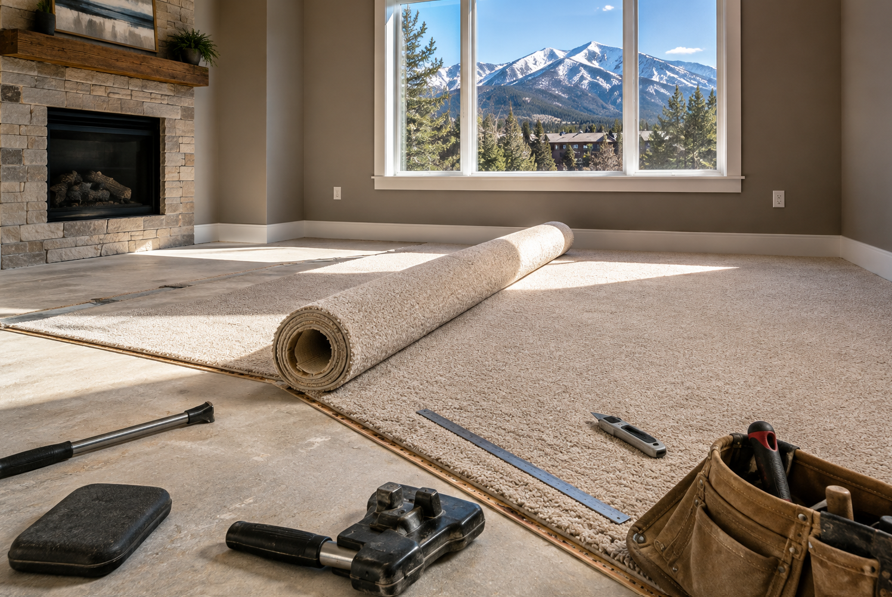
New carpet can completely change how a room feels. It adds softness underfoot, helps create a warmer and quieter space, and offers an enormous range of colors, textures, and performance options for different households.
For Colorado Springs homeowners, choosing the carpet itself is only part of the project. Proper installation matters just as much. Accurate measurements, suitable padding, careful subfloor preparation, secure stretching, clean seams, and professional finishing all influence how the carpet looks and performs after installation.
At Carpet World of Colorado Springs, homeowners can work with a family-owned flooring team that emphasizes personalized guidance, clear communication, professional installation, and a “No Surprise” approach to the flooring process. Their non-commission sales team can help customers compare products based on the room, household, lifestyle, and design goals rather than simply steering them toward one option.
If you are considering new carpet in 2026, knowing what happens before, during, and after installation can make planning easier. This complete guide covers carpet selection, padding, preparation, the professional installation process, installation-day expectations, cost factors, and long-term care for Colorado Springs homes.
Why Carpet Still Works So Well in Colorado Springs Homes
Colorado Springs homeowners have plenty of flooring choices, but carpet continues to earn its place in bedrooms, family rooms, basements, stairs, and other areas where comfort matters.
The city's climate and lifestyle can make those benefits particularly noticeable.
Carpet Creates Warmth During Colorado's Colder Months
Hard surfaces have their advantages, but carpet provides a softer, warmer feeling underfoot during cold mornings and snowy winter evenings.
That comfort can be especially appealing in bedrooms and family rooms where homeowners spend time barefoot or relaxing.
Carpet and its padding also provide an additional layer between the living space and the subfloor. While flooring alone is not a replacement for proper insulation, the soft surface can make a room feel noticeably more comfortable than a hard floor.
It Helps Create Quieter Rooms
Carpet naturally absorbs more sound than many hard-surface flooring materials.
That can make it useful in:
Upstairs bedrooms
Children's rooms
Family rooms
Hallways
Home offices
Media rooms
Finished basements
In busy households, reducing the sound of footsteps and everyday movement can make different parts of the home feel more peaceful.
Today's Carpets Offer Plenty of Performance Choices
Modern carpet is not a single type of product.
Homeowners can compare fibers, pile styles, textures, stain-protection technologies, colors, patterns, and warranties. Some products are developed specifically for active households with children or pets, while others focus more heavily on softness or luxury.
Carpet World of Colorado Springs also highlights Pet Premier Carpet options with long-term warranty protection, giving pet-owning households another performance-focused choice to consider.
The important part is matching the product to the way the room will actually be used.
Choose the Right Carpet Before Thinking About Installation Day
A successful installation begins well before an installer arrives at the house.
The carpet's fiber, construction, color, padding, and intended room all affect how satisfied you are with the finished project.
Think About the Room's Traffic Level
A quiet guest bedroom and a busy family room do not ask the same things from carpet.
For heavily used spaces, look for products designed to handle regular foot traffic while maintaining their appearance. Hallways and stairs can also receive concentrated wear because people repeatedly step in the same areas.
Bedrooms may allow more flexibility to prioritize softness and comfort.
When comparing carpet flooring, consider how many people use the room, whether pets have access, how often children play there, and whether the space connects directly to an exterior entrance.
Compare Carpet Fibers
Different carpet fibers bring different characteristics.
Nylon is widely used because of its resilience and ability to perform in active residential spaces. Polyester can offer rich color and softness, while modern performance fibers may incorporate additional stain or soil protection.
The exact product matters more than making a decision based only on the fiber name. Construction, density, twist, backing, finish, and manufacturer technology all contribute to performance.
A knowledgeable flooring professional can help narrow down the options based on the household rather than expecting homeowners to compare technical specifications alone.
Pick a Practical Color and Texture
Carpet covers a large visual area, so color has a major effect on the room.
Light neutrals can help rooms feel open and airy. Mid-tone colors often provide a practical balance between brightness and everyday maintenance. Deeper tones can add warmth and definition.
Texture matters too.
Some carpets create a smooth, polished appearance, while others have more visible texture that can help make footprints and vacuum marks less noticeable.
Bring paint, fabric, cabinet, or furniture samples when possible so you can see how the carpet works with the rest of the room.
Do Not Treat Padding as an Afterthought
Carpet padding sits out of sight once installation is complete, but it plays an important role.
The correct cushion can improve comfort, support the carpet, and help the flooring perform as intended. Carpet manufacturers may also have specific requirements regarding cushion thickness and density.
Choosing the thickest pad available is not automatically better. The right padding depends on the carpet and installation.
What Happens During Professional Carpet Installation?
Knowing the main stages of installation removes much of the uncertainty around the project.
Every home is different, but most professional carpet installations follow a similar progression.
Accurate Measurements Come First
Before carpet can be ordered, the space needs to be measured.
Professional measurements account for more than the room's basic length and width. Installers or flooring professionals may need to consider closets, doorways, hallways, stairs, room shape, carpet direction, pattern matching, and planned seam locations.
Carpet typically comes in standard roll widths, so planning how the material will be laid out can influence how much product is required.
Accurate measurements help create a more realistic project estimate and reduce unnecessary material waste.
Existing Flooring May Need to Be Removed
If old carpet is already in place, it generally needs to be removed before the new installation.
This can involve taking up:
Existing carpet
Old padding
Staples or fasteners
Damaged tack strip where necessary
Other materials that interfere with the new installation
The exposed floor can then be inspected.
Planning ahead about who is responsible for removal and disposal helps keep installation day organized.
The Subfloor Is Checked
Once the old flooring is gone, the installer has a clear view of the surface beneath it.
A sound, clean, properly prepared subfloor provides the foundation for the new installation. Loose debris, protruding fasteners, damaged sections, or significant irregularities may need attention before the carpet goes down.
Unexpected subfloor conditions are one reason clear communication before and during installation is valuable.
Carpet World of Colorado Springs emphasizes a “No Surprise” approach, which is intended to give customers clearer expectations regarding their flooring project and associated work.
Tack Strip and Padding Are Prepared
For many stretch-in residential installations, tack strips are positioned around the perimeter of the room. These strips help hold the carpet securely once it has been properly stretched.
Padding is then placed over the prepared subfloor and fitted to the room.
The seams between cushion sections are secured so the padding creates a consistent base beneath the carpet.
The Carpet Is Laid Out and Seamed
The installers position the carpet according to the planned layout.
Larger rooms and connected spaces may require seams. Seam placement can depend on the room shape, carpet style, light direction, traffic patterns, and material dimensions.
Professional planning aims to position and construct seams as effectively as the product and room allow.
It is important to have realistic expectations: carpet seams are not necessarily invisible. Their appearance can vary depending on the carpet style, lighting, viewing angle, and installation conditions.
The Carpet Is Stretched and Secured
Proper stretching is one of the most important parts of a traditional stretch-in carpet installation.
Professional installers use appropriate tools to tension and secure the carpet around the room. Correct installation helps the carpet lie flat and reduces the likelihood of premature rippling or loose areas.
The material is then carefully trimmed around walls, corners, doorways, and other room features.
Final Details Complete the Room
Installers finish transitions where carpet meets tile, hardwood, vinyl, or other surfaces.
Doors, trim, vents, stairs, closets, and other architectural details may require additional attention depending on the project.
Once installation is complete, the room should have a clean, finished appearance with the carpet securely fitted to the space.
How to Prepare Your Colorado Springs Home for Carpet Installation
A little preparation can make installation day smoother for both the homeowner and installation team.
Your flooring provider can explain project-specific requirements, but several practical steps apply to many homes.
Discuss Furniture Before Installation Day
Ask in advance how furniture will be handled.
Some installation arrangements may include moving certain furniture, while homeowners may need to relocate other pieces themselves. Heavy, delicate, oversized, electronic, or specialty items can require separate planning.
Small belongings generally need to be removed from the room beforehand.
Clearing decorative items, lamps, clothing, toys, books, and personal belongings gives installers more space to work safely and efficiently.
Make a Plan for Electronics and Valuables
Computers, televisions, artwork, collectibles, breakable objects, and valuable personal belongings are best moved to a protected area before work begins.
If a room contains complicated entertainment systems or electronics, disconnecting and labeling cables beforehand can simplify putting everything back later.
Keep Children and Pets Away From the Work Area
Installation involves tools, flooring materials, open doorways, and repeated movement through the home.
Create a comfortable location away from the work area for children and pets. If possible, arrange for pets to stay in another secure part of the property or elsewhere during active installation.
This also prevents an excited dog or curious cat from slipping through a door while installers carry materials inside.
Clear a Path Into the Home
Installers need room to bring carpet rolls, padding, tools, and equipment from their vehicle to the installation area.
Remove obstacles from hallways and entryways and, when practical, provide convenient access near the home.
Colorado weather can also affect this process. During snowy conditions, clearing exterior walkways and steps provides a safer route for everyone carrying materials.
What to Expect on Carpet Installation Day
Installation day can temporarily make the home feel busy, but knowing what is happening makes the process easier to follow.
The installation team will generally review the project area, bring in the required materials, prepare the existing surface, install the cushion, position the carpet, complete seams, stretch the material, and finish edges and transitions.
Some Noise Is Normal
Flooring installation involves tools and movement, so expect periods of noise.
Homeowners working remotely may find it helpful to plan meetings or calls away from the immediate installation area.
Access to Some Rooms May Be Limited
Depending on the size of the project, furniture movement and flooring work may temporarily affect access to hallways, bedrooms, stairs, or other parts of the home.
If you need regular access to a particular room, discuss it with the installation team before the work progresses into that area.
Ask Questions When Something Is Unclear
Good communication matters throughout a flooring project.
If an installer discovers an unexpected subfloor condition, transition issue, or other concern, understanding what has been found and how it will be addressed can prevent confusion.
Carpet World of Colorado Springs emphasizes clear and constant communication through the ordering, delivery, and installation stages, helping homeowners know what is happening with their project.
Care for Your New Carpet After Installation
Once the installation is finished, a few simple habits can help your new carpet continue looking beautiful.
Vacuum Regularly
Regular vacuuming removes soil and grit before particles settle deeper into the carpet.
Traffic level, pets, children, and room use will affect how frequently a space needs vacuuming. Entry-adjacent rooms and busy family areas may need attention more often than guest bedrooms.
Use equipment and settings appropriate for the specific carpet.
Expect Some Initial Shedding From Certain Carpets
Some new cut-pile carpets may release loose fibers after installation and during the first several vacuuming cycles.
This can be normal depending on the product and does not automatically indicate that the carpet is coming apart.
If you are uncertain about anything you notice after installation, ask the flooring provider about the specific carpet.
Address Spills Quickly
Prompt attention usually makes spot care easier.
Blot rather than aggressively rubbing a spill, and follow the manufacturer's cleaning instructions. Different fibers and stain-protection systems can have different care recommendations.
Avoid applying random household chemicals simply because they work elsewhere in the home.
Use Mats to Control Colorado Grit
Colorado Springs homes deal with snow, soil, sand, and outdoor debris throughout the year.
Quality entrance mats help catch particles before they reach the carpet. Removing shoes at the door can provide another layer of protection, particularly during wet winter weather.
Keep Manufacturer Care Information
Save warranty information and cleaning recommendations with your home records.
Following approved maintenance instructions can help preserve both the appearance of the carpet and applicable warranty coverage.
What Affects Carpet Installation Costs?
There is no single price that accurately represents every Colorado Springs carpet installation.
The total depends on the product, property, preparation requirements, and complexity of the project.
Carpet Selection
Carpet prices vary based on fiber, construction, density, design, manufacturer, performance technologies, and warranty.
A basic bedroom carpet and a premium pet-focused product may have very different material costs.
Padding
Cushion selection adds another component to the project.
The correct padding needs to suit both the carpet and intended use rather than being selected on price alone.
Room Size and Layout
Larger spaces naturally require more material.
Room configuration also matters. Closets, hallways, unusual angles, stairs, pattern matching, and multiple connected areas can affect both material quantities and installation requirements.
Existing Flooring and Preparation
Removing old carpet, disposing of materials, preparing the subfloor, or addressing unexpected conditions can influence the scope of work.
This is why discussing the full project before installation is important.
Stairs and Detailed Areas
Stair installations generally require more individual fitting than an open rectangular room.
Different stair configurations and carpet styles can also affect the amount of labor involved.
When comparing estimates, look at what is actually included rather than comparing one total number with another without context.
Make Your Next Carpet Installation Feel Simple and Well Planned
Carpet installation is more than bringing a roll of flooring into the house and cutting it to size. The finished result depends on choosing the right carpet, measuring accurately, pairing it with suitable padding, preparing the surface, laying out seams thoughtfully, stretching the material correctly, and finishing the details around the room.
For Colorado Springs homeowners, the right carpet can add warmth, comfort, quiet, and style while fitting everything from bedrooms and family rooms to stairs and finished basements.
The process becomes much easier when product selection and installation are handled as one complete project.
Carpet World of Colorado Springs combines a boutique showroom experience with more than 40 years of combined design and flooring expertise. Their family-owned mother-and-daughter team, non-commission sales approach, professional installers, clear communication, and focus on honest service give local homeowners a personalized way to move from initial ideas to a finished floor.
If new carpet is part of your 2026 remodeling plans, get in touch with Carpet World of Colorado Springs to discuss your rooms, household needs, style preferences, and installation project.


